Go Back
Oil Tank Sweeps in New Jersey: What Home Buyers Should Know
A buried oil tank can cost tens of thousands to clean up. A sweep finds it before you own it.
 Jack Donlon
Aug 01, 2026
 Jack Donlon
Quick answer: An oil tank sweep is a scan of a property to find buried heating oil tanks that a normal home inspection does not look for. It matters in New Jersey because a leaking underground tank can cost anywhere from a few thousand dollars to well over fifty thousand to remediate, and that cost lands on whoever owns the property when it is found. Ordering a sweep before you close moves that risk off your shoulders.
I'm Jack Donlon, and I run HomeCheck, Ltd. I am a Board Certified Master Home Inspector with more than 35 years of hands-on experience buying, renovating, and reselling property across New Jersey. Buried oil tanks are one of the issues I get asked about most, and for good reason. A lot of our housing stock was heated with oil, and plenty of those tanks are still in the ground.
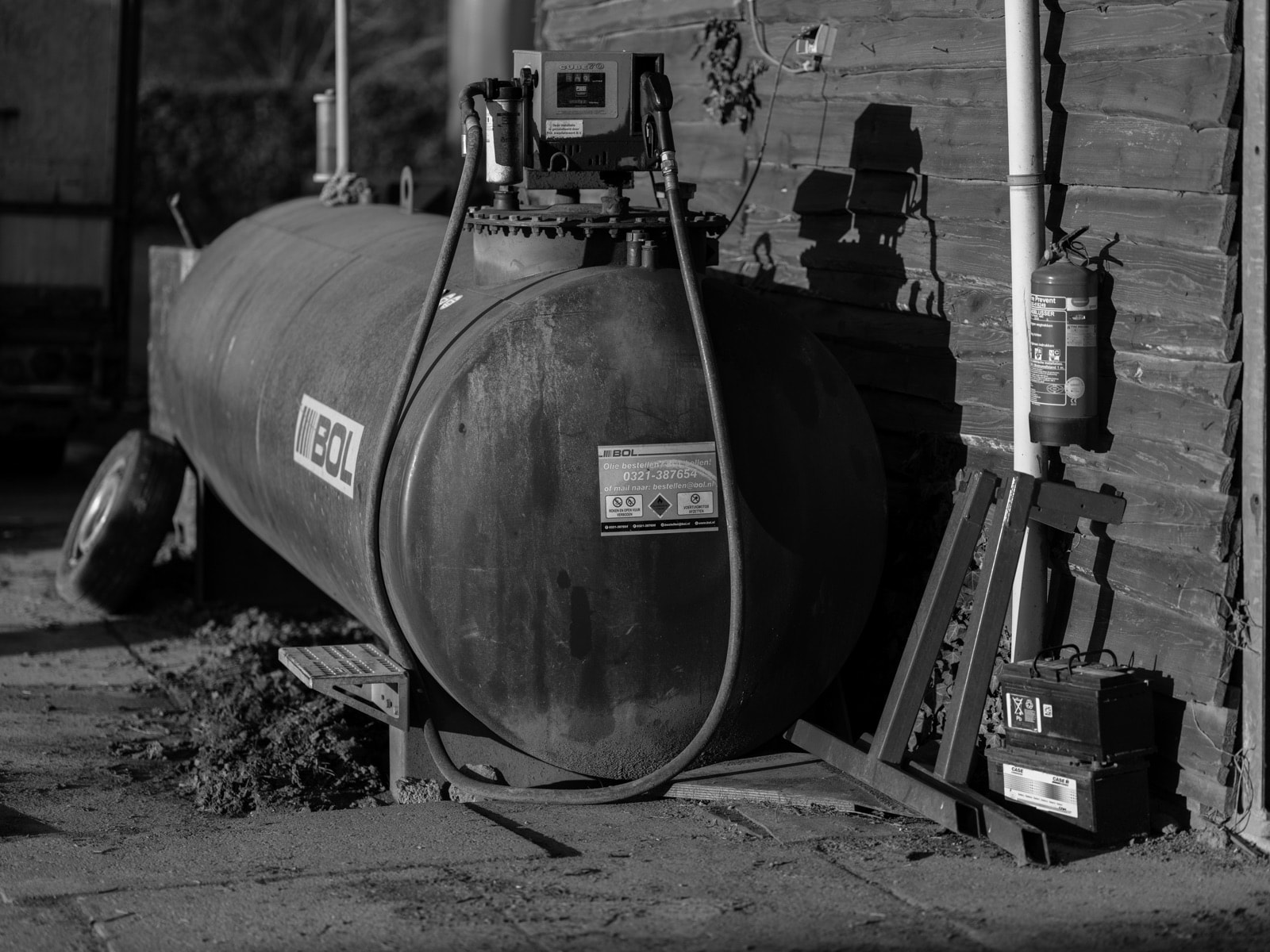
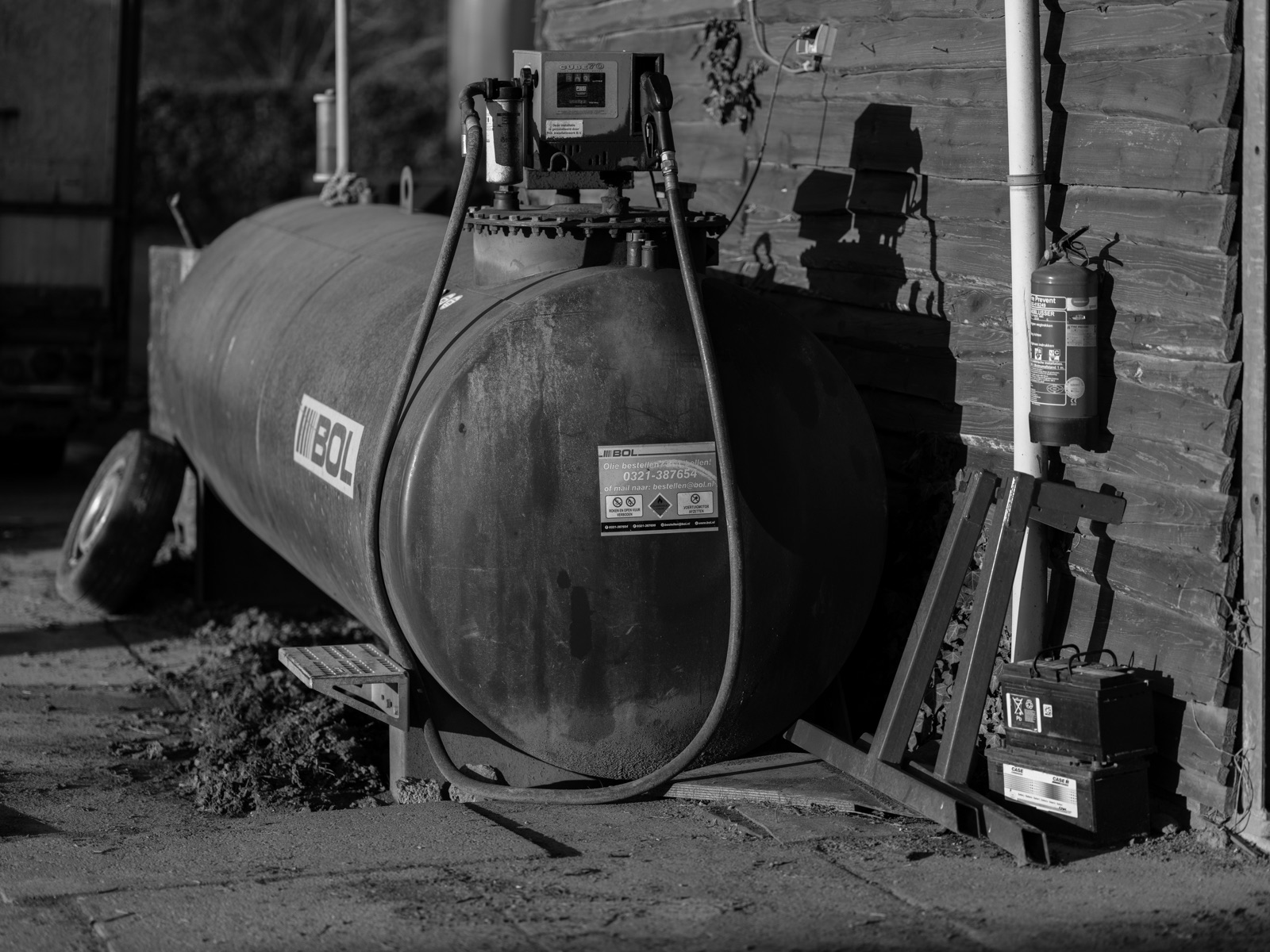
For decades, oil was the standard way to heat a home in this state. When a house switched over to gas, the old underground tank often got left in place. Sometimes it was pumped out and filled, sometimes it was simply abandoned. Either way, a steel tank sitting in wet soil for forty or fifty years does what steel does. It rusts, and eventually it can leak.
The trouble is that none of this shows from the street. You can walk a beautiful, fully renovated home in Montclair or Toms River and have no idea there is a decommissioned tank under the side yard. The seller may not even know. That is exactly why a sweep exists.
A sweep is straightforward. A technician walks the property with a metal detector or magnetometer and covers the areas where a tank is likely to sit: alongside the foundation, near where an old fill or vent pipe might have been, and around former heating equipment locations. We also look for the physical clues, capped pipes coming out of the ground, patched spots in the basement wall, and old copper lines running to a former burner.
If the equipment flags something, we mark it and tell you what we found. A sweep tells you whether a tank is there. It does not, on its own, tell you the condition of the tank or the soil around it, and I will always be clear about that line.
Finding a tank is not automatically a disaster. Many are removed cleanly with no soil contamination at all. The next step is usually a licensed tank removal company that will excavate the tank, inspect the soil, and test if there is any sign of a release. If the soil is clean, you get a closure letter and move on. If there is contamination, you now have real numbers to negotiate with before you own the problem.
The key point is timing. Discovering a tank while you are still a buyer gives you room to negotiate. You can ask the seller to remove it, test the soil, or credit you for the work. Discovering it two years after closing means the cost is entirely yours.
A standard home inspection is a visual look at the structure and systems of the house. It does not include locating buried tanks, and no honest inspector should imply that it does. I treat the sweep as a separate, specialized service, and I am glad to coordinate both so you get one clear picture of the property before your inspection contingency runs out.
Does every older New Jersey home have a buried oil tank? No, but enough of them do that a sweep is worth it on any home built before gas heat became standard, especially if you see signs of former oil heat in the basement.
Will my regular home inspection find a buried tank? Not reliably. A home inspection is a visual evaluation and does not include scanning the yard for underground metal. That is what the sweep is for.
How long does a sweep take? Usually well under an hour for a typical residential lot. You get the result the same day.
What if the tank is already known and was filled in place? That is common. You still want documentation of how it was decommissioned, and in some cases buyers still prefer full removal for peace of mind and resale.
If you are buying an older home anywhere in New Jersey and want to know what is under the yard before you sign, I can help. Call HomeCheck, Ltd at 732-792-4325 or email info@homecheckltd.com. I inspect personally, I serve all of New Jersey, and I will give you a straight answer about what I find.
The good, the bad, and the costly.
Board Certified Master Home Inspector · 35+ years of hands-on experience · Every inspection conducted personally · Serving all of New Jersey
Reserve a Time