Go Back
Radon Testing in New Jersey: What Buyers Need to Know
Radon is invisible, has no smell, and is a leading cause of lung cancer. A test is the only way to know.
 Jack Donlon
Sep 01, 2026
 Jack Donlon
Quick answer: Radon is a radioactive gas that comes up out of the ground and can build up inside a home. You cannot see it, smell it, or taste it, and long-term exposure is a leading cause of lung cancer. Large parts of New Jersey sit in high radon potential zones, so testing is the only way to know your number. A test is quick, and if the level is high the fix is well understood and effective.
I'm Jack Donlon, owner of HomeCheck, Ltd. Along with being a Board Certified Master Home Inspector, I am a licensed NJDEP Radon Measurement Technician (MET14177). That means I can test for radon as part of your home inspection and explain the result in plain terms rather than handing you a lab sheet and walking away.
Radon is produced as uranium in soil and rock breaks down over time. Outdoors it dilutes into the air and does no harm. The problem starts when it seeps into a house through the foundation and gets trapped. Basements and lower levels tend to hold the highest concentrations because they sit closest to the source.
New Jersey geology, especially across the northern and central counties, produces a lot of radon. Counties like Sussex, Warren, Hunterdon, and Morris sit in the highest tier, and plenty of desirable towns in Bergen, Somerset, and Mercer land in elevated zones too. The state has published tier maps for years showing which municipalities carry the highest potential, and many towns most buyers would consider desirable fall into those higher tiers.
Here is what surprises people. Radon does not care how new the house is, how well it was built, or what kind of foundation it has. I have seen high readings in brand new construction and low readings in hundred-year-old homes two blocks apart. The house next door tells you almost nothing about yours. The only way to know a specific home's level is to test that specific home.
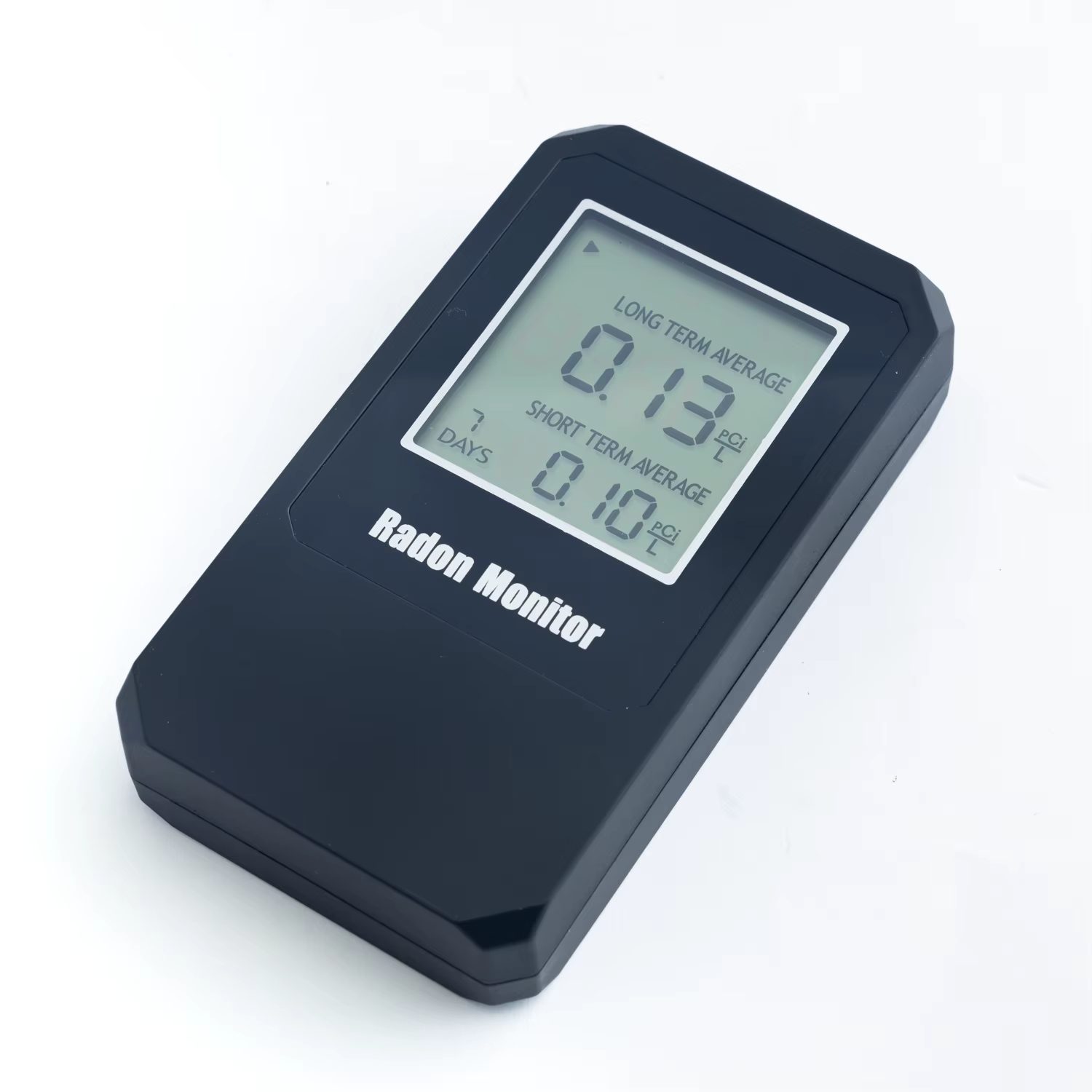
For a real estate transaction, I place a continuous radon monitor in the lowest livable level of the home and leave it running for a set period, usually a couple of days, under closed-house conditions. The device records levels over time, which is more reliable than a single snapshot. When it comes down, I read the data and give you a clear result measured in picocuries per liter.
The EPA action level is 4.0 pCi/L. At or above that, mitigation is recommended. Below it, you have a documented baseline for the home you are buying.
A high reading is not a reason to walk away from a house you love. Radon mitigation is a mature, reliable trade. A contractor installs a system that draws the gas from under the foundation and vents it safely above the roofline, and a follow-up test confirms the level dropped. The cost is modest compared with most home repairs, and during a purchase it is a normal thing to negotiate into the deal.
The reason I ask that windows and exterior doors stay shut during the test is not arbitrary. Radon levels rise when a home is sealed the way it normally is in cold weather and drop when the house is aired out. Testing under closed conditions gives a result that reflects how the home actually behaves most of the year, not an artificially low number from a house that happened to have every window open. If a seller has fans running or windows propped during a test, the reading cannot be trusted, and I will tell you so. This is one of the reasons a professional test carries more weight than a kit left on a shelf. The protocol is part of what you are paying for, and it is what makes the number defensible if it becomes part of your negotiation.
Is radon really that common in New Jersey? Yes. Much of the state sits in moderate to high radon potential zones, which is why testing is standard practice here during home purchases.
Can I just use a hardware store test kit? You can for your own information, but for a real estate transaction a professional continuous monitor test carries more weight and is harder to tamper with.
Does a finished basement change anything? It can. Finishing a basement often means people spend more time in the space where radon concentrates, which makes knowing the level more important, not less.
Can radon testing be combined with my home inspection? Yes, and I usually do exactly that. I set the monitor at the inspection and collect the data afterward so you get one coordinated result.
If you are buying anywhere in New Jersey and want your radon level tested by a licensed technician who will explain what it means, reach out. Call HomeCheck, Ltd at 732-792-4325 or email info@homecheckltd.com. I serve all of New Jersey and I test personally.
The good, the bad, and the costly.
Board Certified Master Home Inspector · 35+ years of hands-on experience · Every inspection conducted personally · Serving all of New Jersey
Reserve a Time