Go Back
Winter Home Maintenance in New Jersey: What I Check
Cold, wind, and ice expose the flaws a house hides all summer. Here is what to check before the freeze.
 Jack Donlon
Nov 01, 2026
 Jack Donlon
Quick answer: A New Jersey winter puts real stress on a home through freezing pipes, ice dams, heating system strain, and water pushed around by wind and snowmelt. Most of the expensive damage I see is preventable with a few checks before the first hard freeze. Knowing where your house is vulnerable is half the battle, and a lot of it you can spot yourself.
I'm Jack Donlon, owner and inspector at HomeCheck, Ltd. After more than 35 years working on New Jersey homes and inspecting all over the state, from Bergen County down to the Jersey Shore, I can tell you that winter does not create new problems so much as expose the ones already there. Here is where I focus.
Frozen pipes are the classic New Jersey winter disaster, and they almost always happen in predictable spots. Any water line running through an unheated space is at risk: pipes in an uninsulated crawl space, along an exterior wall, in the garage, or feeding an outdoor spigot.
Before the cold sets in, disconnect and drain garden hoses, shut off and drain any exterior faucets that have an interior valve, and make sure crawl space vents and gaps are closed up. If you have had a pipe freeze before in the same place, that is your warning to insulate it now rather than gamble again.
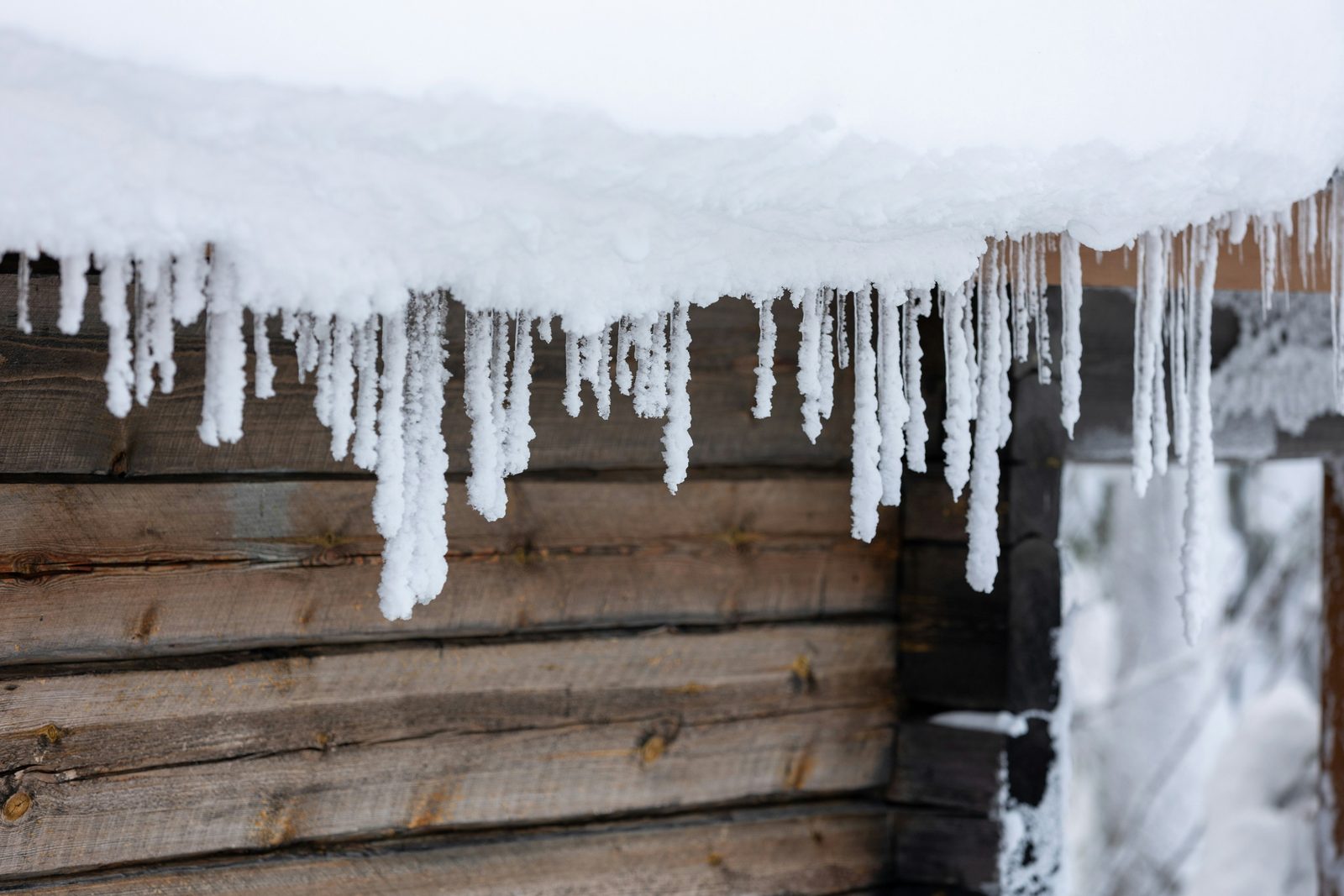
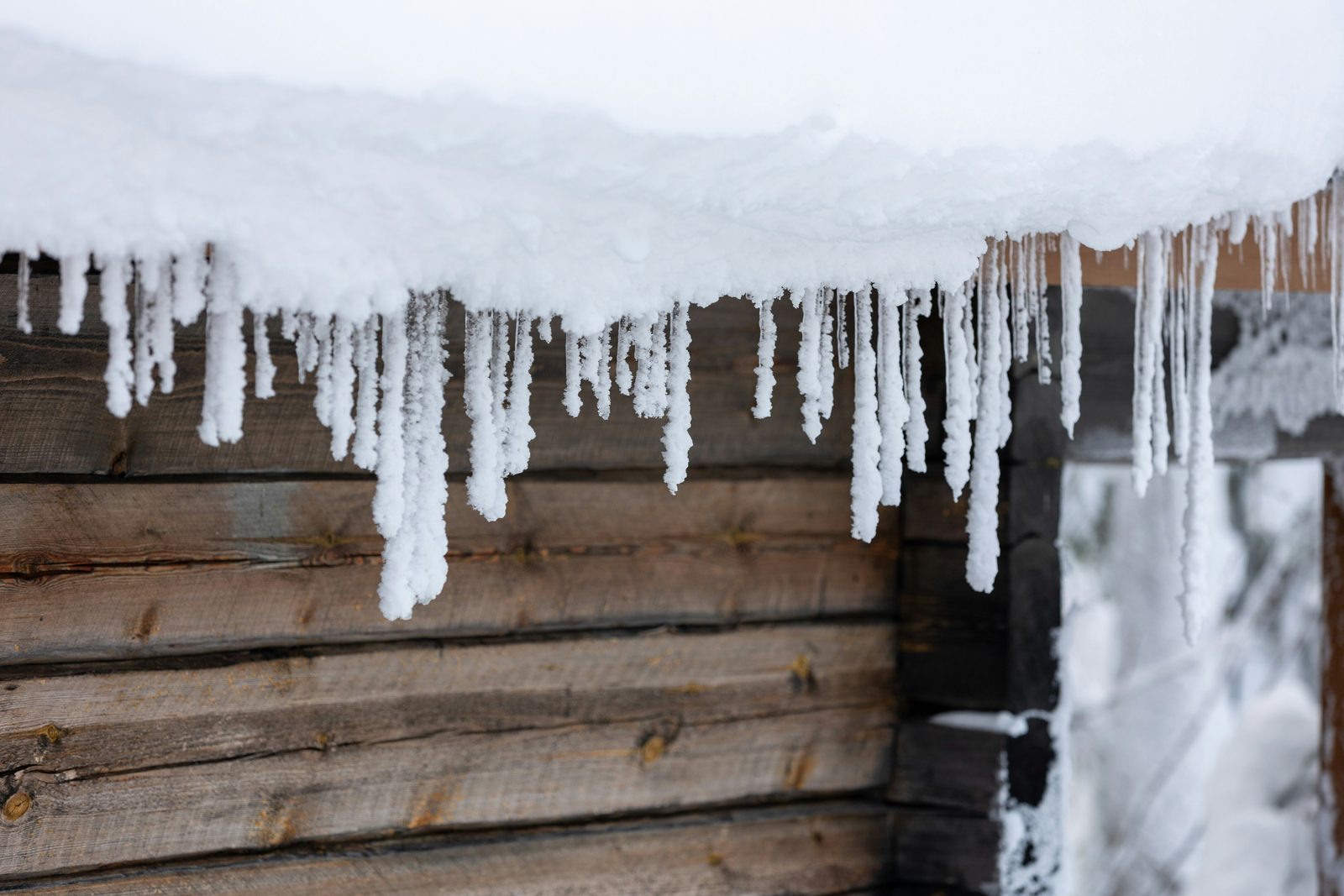
Ice dams form when heat escaping into the attic melts snow on the upper roof, the water runs down to the cold eave, and it refreezes into a ridge of ice. That ice backs water up under the shingles and into the house. The stains people find on their ceilings in January usually start here.
The prevention is unglamorous but it works: keep the attic well insulated and ventilated so the roof stays cold, and clear the gutters before winter so meltwater has somewhere to go. Clogged gutters full of fall leaves are a direct setup for ice trouble.
Your furnace or boiler is about to work harder than it has all year. Have it serviced by a qualified technician, change the filter, and make sure vents and returns are clear. This is also the season carbon monoxide risk climbs, since combustion appliances run constantly and houses are sealed up tight. Test every smoke and carbon monoxide detector and replace batteries. This is not an area to cut corners.
Winter is a water story as much as a cold story. Snow piles against foundations and then melts, and grading that was fine in July can send that water straight toward the basement. Walk the perimeter and look at how the ground slopes near the house. Downspouts should carry water several feet away from the foundation, not dump it at the base of the wall where it can freeze, thaw, and find a crack.
A lot of what goes wrong in winter traces back to the two spaces people almost never look at: the attic and the crawl space. An attic that is under-insulated or poorly ventilated feeds ice dams and drives up heating bills at the same time. A crawl space that is open to the cold lets pipes freeze and pulls damp, chilly air up into the living space above. Before the season turns, it is worth a look in both. You are checking for insulation that has slipped or gone missing, vents that should be closed for winter, and any sign of moisture that the cold will only make worse. These are not glamorous spaces, but they quietly decide how the rest of the house performs.
What is the single most common winter claim you see? Water damage, either from a frozen pipe that burst or from an ice dam pushing water into the ceiling. Both are largely preventable.
Do I really need my heating system serviced every year? Yes. Annual service catches small problems, keeps efficiency up, and reduces the carbon monoxide risk that comes with a hard-running system.
My house is older. Is it more at risk? Often, yes. Older New Jersey homes tend to have less insulation, older windows, and pipes in exposed spots, so the winter checks matter more.
Can a home inspection flag winter vulnerabilities? It can. During an inspection I point out exposed pipes, poor grading, attic ventilation issues, and heating concerns so you know what to address.
If you want a professional set of eyes on your New Jersey home before the cold arrives, I am glad to help. Call HomeCheck, Ltd at 732-792-4325 or email info@homecheckltd.com. I serve all of New Jersey and I inspect every home personally.
The good, the bad, and the costly.
Board Certified Master Home Inspector · 35+ years of hands-on experience · Every inspection conducted personally · Serving all of New Jersey
Reserve a Time